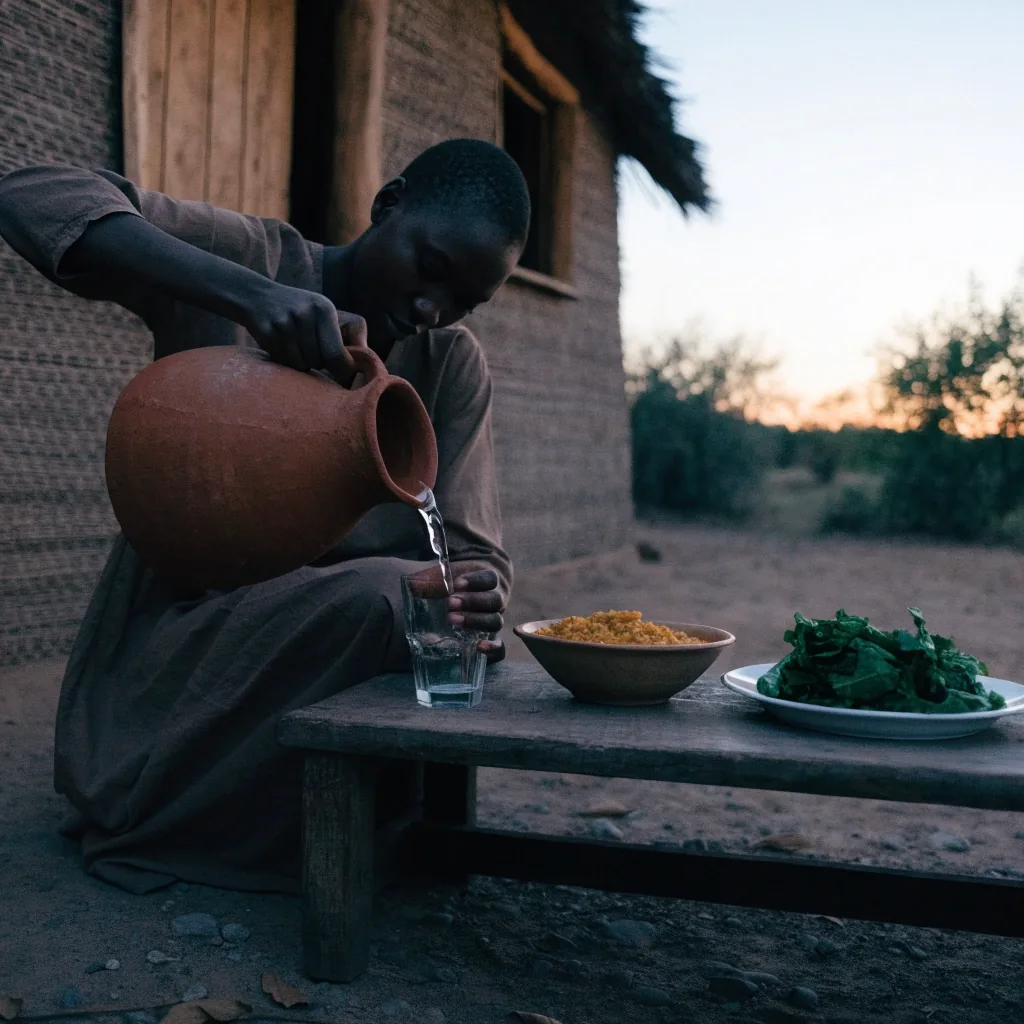
Everyday nutrition and sleep habits for Botswana
Most people arrive with the same two questions: why am I tired all the time, and what should I actually eat? This site answers both in plain, countable rules for balanced eating, healthy sleep, and everyday energy — written for real budgets and real schedules.
What goes on the plate
Variety beats price
How long you sleep
Consistency beats total
How much you move
No gym required
Three columns, nine countable lines. Tick off what you already do, then pick the one you don’t. The blue rule marks the line most people find hardest to keep — a steady wake time.
Start with what’s on your plate
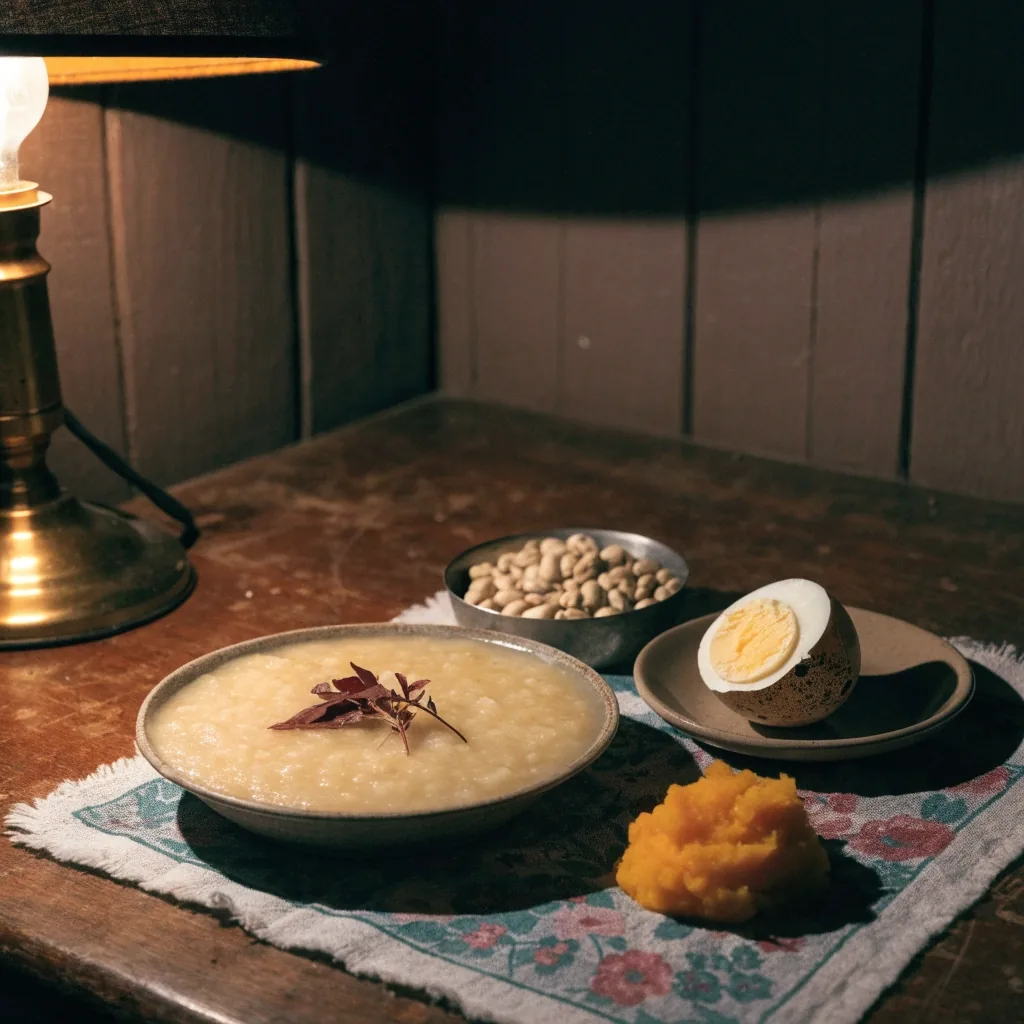
A balanced diet in Botswana doesn’t require imported superfoods. It requires variety. Sorghum and maize meal, beans and ditogo, spinach and morogo, pumpkin, peanuts, eggs, tinned fish, and whatever fruit is affordable that week can together cover far more than any single “health food” ever would.
What matters is how many different things show up across your meals, not how expensive each one is. Two or three extras alongside your staple grain already shifts the meal — beans next to maize, greens next to porridge, a boiled egg next to the leftovers. None of that needs a special shop.
Keep a habit of buying what’s cheap that week instead of what a plan says. Pumpkin and seasonal greens in bulk often cost less per plate than a single packaged snack, and they carry the fibre and vitamins that plateaus of white starch alone do not.
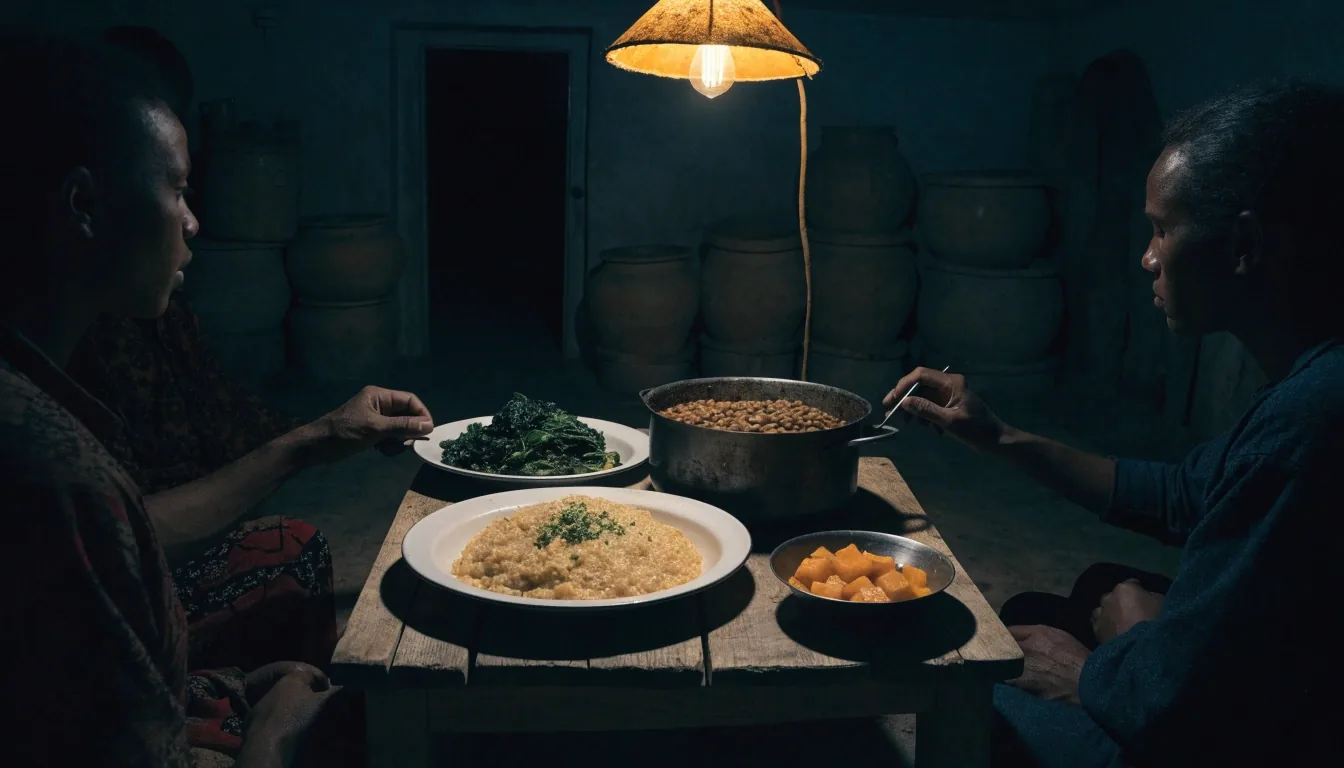
The tiredness you feel at 3pm isn’t always hunger
Persistent fatigue usually traces back to three or four ordinary things at once. Fixing only one rarely holds.
Short sleep, missed meals, too much sugary drink, and long stretches without movement — those four stack. Botswana’s national health policy documents treat diet and physical activity as complementary tools for reducing chronic disease risk, and that pairing works at the household level too. A walk after lunch and a proper breakfast change more than most people expect.
Sleep hygiene is a set of small rules
Sleep hygiene means the conditions you set before bed: a consistent wake time, less caffeine after mid-afternoon, a cooler and darker room, and a screen-free half hour. Botswana households often deal with noise, shared rooms, and late shifts that make perfect sleep impossible.
Aim for better, not perfect. Consistent wake times matter more than bedtime — if you lie down at a different hour each night but rise at the same one, your body still learns the rhythm it needs.
Which local habits make it harder? Late strong tea or coffee, heavy meals right before bed, alcohol in the evening, and scrolling on a bright screen in a dark room. Each one is fixable on its own.
Budget reality
Food access is part of the conversation
You can’t eat well if the food isn’t there. Reporting in 2026 quoted a University of Botswana nutrition professor saying nearly one in two citizens struggles to access enough safe and nutritious food, and the same coverage noted that 20.2% of Batswana often sleep hungry.
This site gives practical advice, but it doesn’t pretend willpower solves a food access problem. Fatigue and poor sleep are often budget problems first. When money is short, the useful moves are different: buy the cheapest protein that week in bulk, cook one pot that stretches two days, and cut sweetened drinks before cutting vegetables.
If a household is struggling to put food on the plate, that is a policy and budget question before it is a diet question. Advice that pretends otherwise wastes everyone’s time.
Iodized salt and other quiet wins
Some nutrition wins are boring and effective. None of these are dramatic. Together they shift the baseline for a whole household.
 Use iodized salt in cooking
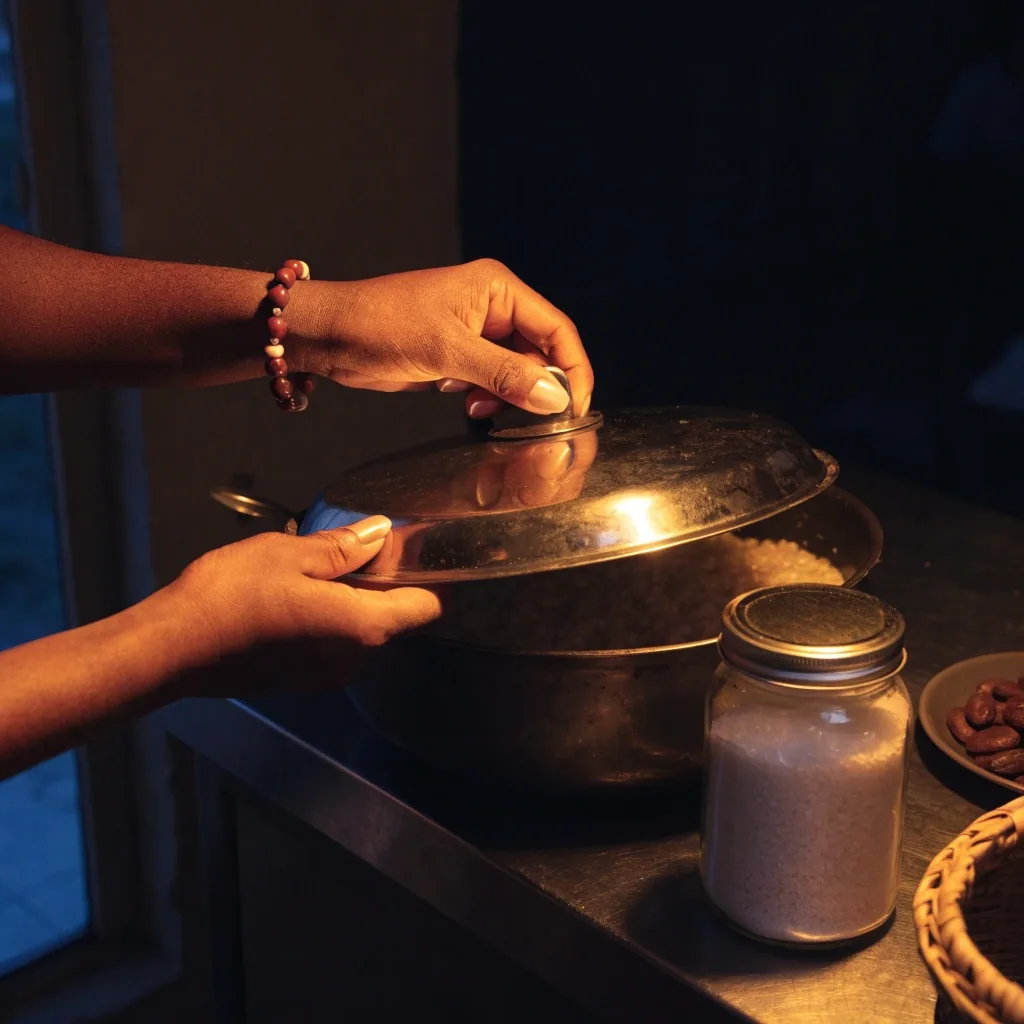 Eat beans alongside maize
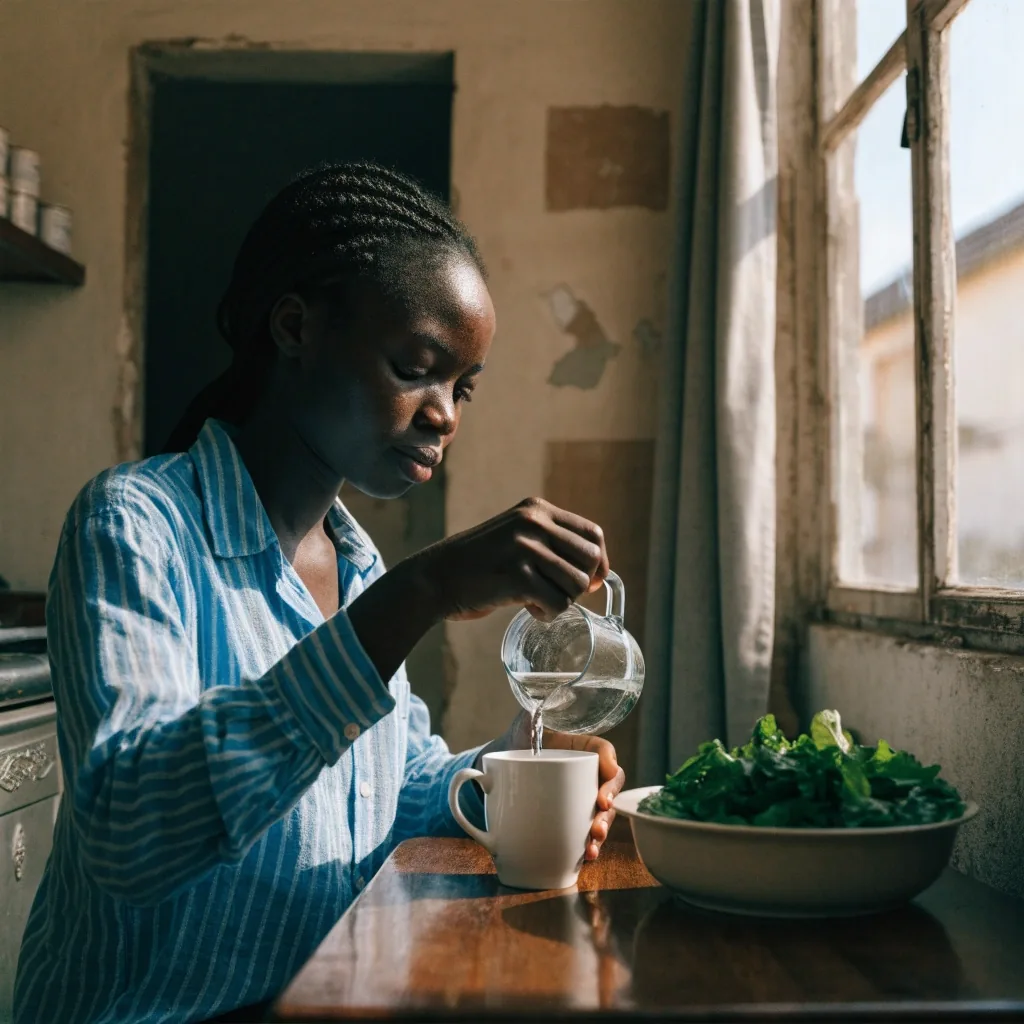 Water instead of a soft drink with meals
 Greens at two meals instead of one
Meal timing that survives a busy week
Eating at roughly the same times each day steadies energy in a way that skipping meals and then eating heavily at night does not. If you work shifts, anchor your meals to your wake time instead of the clock. Two or four real meals beat six snacks that never add up to a proper plate.
A simple frame: one solid meal within a couple of hours of waking, one at midday, one in the early evening, and fruit or groundnuts if a gap runs long. Anything more elaborate is optional.
Movement counts even in small doses
You don’t need a gym. A 20-minute brisk walk, housework done at pace, or climbing stairs consistently all count as physical activity.
Botswana’s national NCD strategy names physical inactivity as a key modifiable risk factor alongside unhealthy diet, so movement is not optional decoration. It sits in the same conversation as food and sleep.
Children’s nutrition starts early
For infants and young children, WHO’s Botswana profile uses a benchmark of at least five food groups per day for appropriate dietary diversity. That’s a practical target, not an academic one.
It means porridge alone is not a meal. Adding mashed vegetables, an egg, or groundnuts moves a child closer to that five-group standard, and it does not need imported food to happen. A scrambled egg, a spoon of mashed pumpkin, a handful of groundnuts — each one moves the count up.
Find guidance for your familyFatigue prevention is a pattern, not a pill
If you want fewer exhausted afternoons, look at sleep length, meal regularity, hydration, iron intake, and stress load together. Prevention works when several small things line up for weeks, not days. A single supplement or one good night does not carry a whole month.
Meals
Start with a balanced plate built from what’s cheap and local. Variety across the week beats variety on one plate.
Balanced eatingSleep
Set the conditions before bed: consistent wake time, cooler room, less late caffeine. Better beats perfect.
Sleep and fatigueLongevity habits
Daily movement, body care, and steady routines that slow the wear of ageing. Small, repeated, and unglamorous.
Longevity and body careWhere to go next on this site: readers usually want one of four things — a meal framework that works on a tight budget, a routine that helps them sleep better, habits that slow the wear of ageing, or guidance for feeding a young child. Each of those has its own page. Start with the one closest to the problem you’re living with this month.
What this site does not do
We don’t sell supplements. We don’t diagnose, and we don’t replace a visit to a clinic or a dietitian when something feels wrong.
If you’re losing weight without trying, sleeping badly for weeks, or managing a diagnosed condition, that’s a conversation with a health professional. What we offer is the everyday layer that sits underneath that care.
About Longevity Sleep SolutionQuestions readers send us most
What affordable foods can make a Botswana meal more balanced?
Add whichever of these is cheapest near you: beans, ditogo, morogo, spinach, pumpkin, eggs, tinned fish, groundnuts, or seasonal fruit. Two or three extras alongside your staple grain already shifts the meal.
How many hours of sleep are enough to avoid fatigue?
Most adults do best with seven to nine hours. Consistency matters as much as total length. If you sleep seven hours at the same time every night, you’ll usually feel steadier than with nine hours at random.
What does healthy eating look like when food prices are rising?
Fewer types of meat, more legumes, more seasonal vegetables bought in bulk, and fewer sweetened drinks. Variety across the week matters more than variety on one plate.
Do you sell supplements or offer clinical advice?
No. We write everyday guidance on eating, sleep, and energy habits. We don’t diagnose or treat any condition, and we don’t sell products. For anything clinical, see a qualified professional. You can read more on our FAQ page.
One habit tonight, then the next one.
Pick the line from the planting table you don’t already keep. Set a wake time, put greens next to the porridge, or swap the soft drink for water. Weeks of small rules beat a weekend of resolutions.